
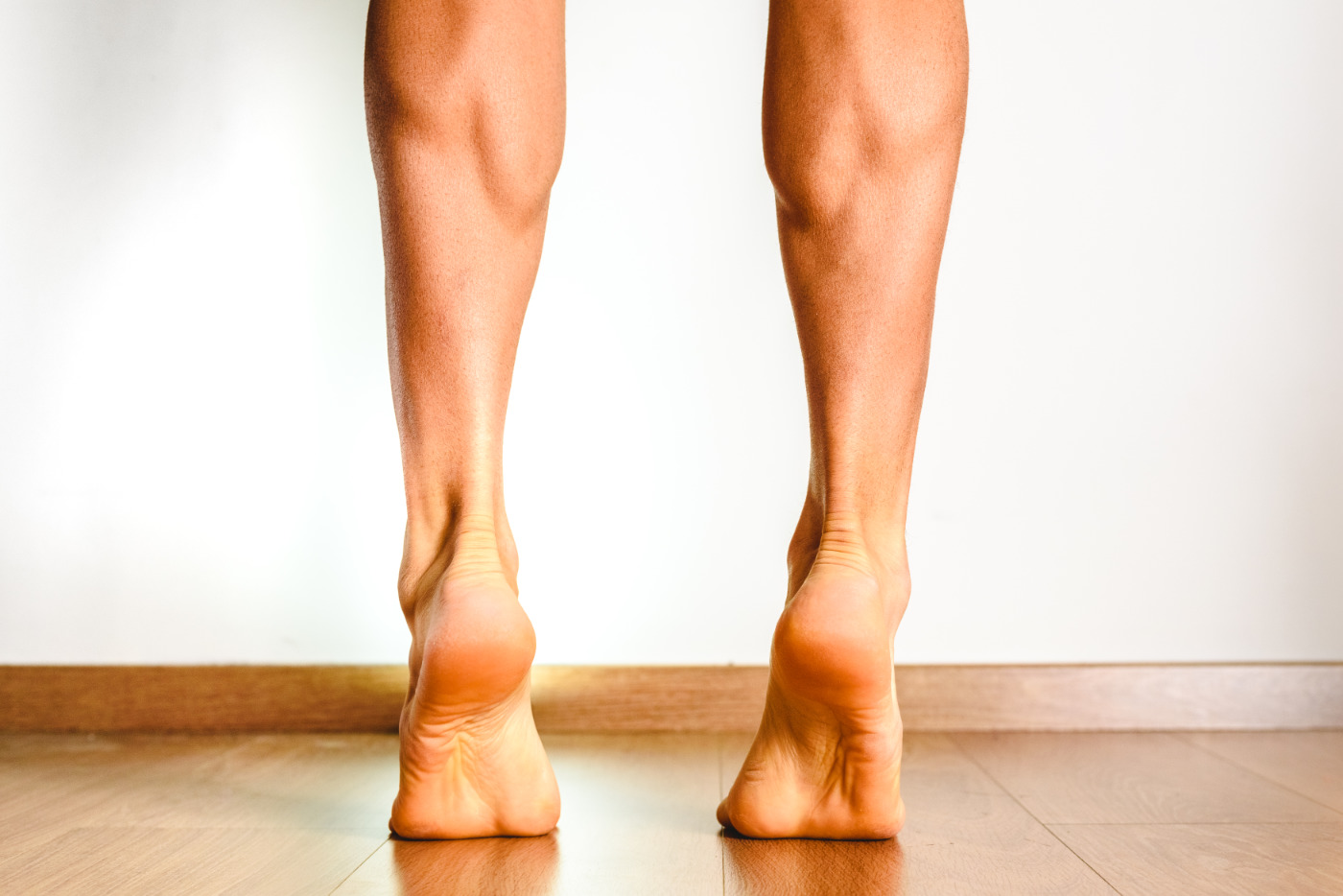
UNDERSTANDING YOUR ACHILLES
WHY ACHILLES PAIN HAPPENS IN THE SPRING?
Joe Myhren, PT, DPT, SCS, CSCS
Sports Physical Therapist | Resolve Physical Therapy
When activity suddenly increases (running, walking, sports), the tendon can become irritated.
After a less active winter, your Achilles tendon is often:
- Less strong (lower stiffness) – from less demand of creating Tension
- The daily tension demands of transferring force through the tendon have been less. This leads to maladaptation and reduce tensegrity of the tendon matrix.
- Slightly thicker
- Repeated tension “squeezes out the sponge” of fluid throughout the tendon. With less fluids dynamically moving in and out of the tendon over the winter, it has a tendency to retain more fluid.
- More sensitive to load
- Reduced stiffness and increased fluid lead to a softer tendon that is more easily irritated when introduced to demanding forces. The concept of graded exposure allows us to improve tolerance.
Key idea:
Your tendon isn’t weak — it’s just not prepared yet.
NOT ALL EXERCISE IS THE SAME
Research trends suggest different exercises do different things to your tendon:
- Light / short-range = calming (reinitiating fluid dynamics)
- Controlled loading = rebuilding a tendon matrix
- Slow + heavy = strengthening and improving tendon quality
The goal is to match the exercise to your current phase.
THE 4 PHASES OF ACHILLES RECOVERY
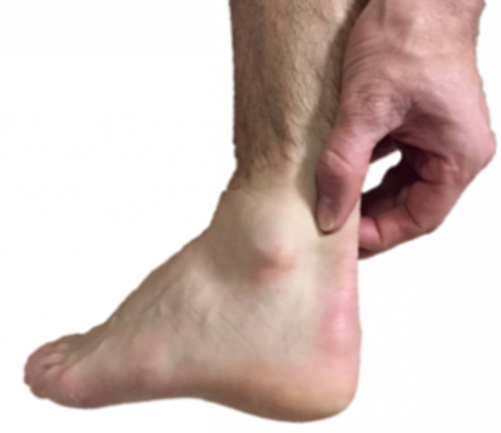
PHASE 1: IRRITATED / PAINFUL
What it feels like:
- Morning stiffness
- Pain with walking or stairs
- Tender or swollen feeling
Your goal:
→ Calm the tendon, not stop using it.
*It is globally suggested that 3-5 days post an injury the body’s internal “inflammatory phase” subsides. We can respect that rest and protection may be crucial in this time period.
Following this phase, promoting appropriate stress is crucial to the “recovery” and “proliferative phase”
What to do:
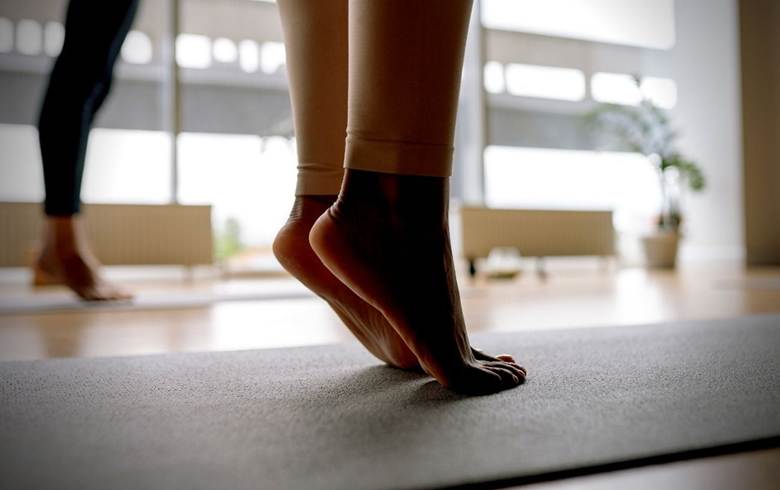
- Hold a calf raise (both feet) → 5 x 30 seconds
- Small heel raises (stay above flat) → 3 x 12–15
- Stay active, but reduce intensity
What to avoid:
- Deep stretching
- Dropping your heel below a step
- Heavy or slow exercises
PHASE 2: IMPROVING / EARLY LOADING
What it feels like:
- Less morning stiffness
- Walking feels easier
Your goal:
→ Start rebuilding strength safely
What to do:
- Heel drops (both legs → progress to one)
- Lower slowly → 2–3 seconds down
- 3 x 10–12 reps
Guidelines:
- Mild discomfort is OK
- Keep movements controlled
PHASE 3: BUILDING STRENGTH
What it feels like:
- Minimal pain
- Stronger, but not 100%
Your goal:
→ Build tendon strength and capacity
The “Maturation Phase” allows the tissue to truly adapt to the stressors placed on to it!
What to do:
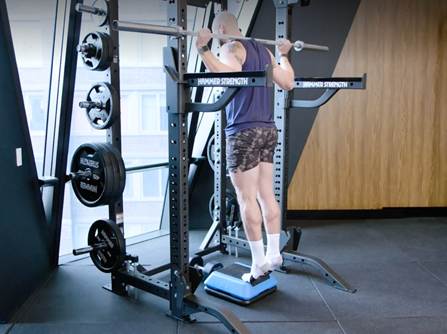
- Slow heel drops (single leg)
- Add weight (backpack or dumbbells)
- Lower slowly → 3–4 seconds down
- Full range (heel can drop below step)
- 3–4 x 6–10 reps
Key focus:
- Slow
- Controlled
- Progressive weight
PHASE 4: RETURN TO ACTIVITY
What it feels like:
- No morning stiffness
- Strong and confident
Your goal:
→ Prepare for real movement (running, sports)
What to do:
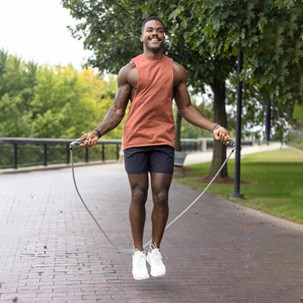
- Light jumping (small hops)
- Progress to jogging → running
- Continue strength work 2x/week
HOW TO KNOW IF YOU’RE DOING TOO MUCH
Simple rule:
✔ Mild discomfort during exercise = OK
“I should be able to wake up the next morning with no reminder of what I did yesterday”
Vs.
❌ More pain or stiffness the NEXT morning = TOO MUCH
If symptoms increase:
- Reduce reps or weight
- Reduce range (don’t go as deep)
- Stay consistent — don’t stop completely
SPRING SUCCESS CHECKLIST
- Increase activity gradually
- Stay consistent with exercises
- Pay attention to how you feel the next morning
- Prioritize strength over stretching
FINAL MESSAGE
Spring is the perfect time to get active again.
If you build your tendon the right way, you can:
- Stay pain-free
- Get stronger
- Enjoy the entire season
If pain continues or worsens, consult a healthcare professional.
About the Author

Joe Myhren, PT, DPT, SCS, CSCS
Sports Physical Therapist — Florida, NY
Joe is a board-certified Sports Clinical Specialist with over 10 years of experience in orthopedic and sports physical therapy. He blends strength and conditioning expertise with evidence-based rehabilitation to help athletes return to sport stronger than before. Joe specializes in ACL rehab, return-to-throw protocols, and performance integration, and has worked with athletes from the NFL, MLB, Olympic programs, and NCAA Division I.
REFERENCES
Pringels L, et al. Loading speed and intensity in eccentric calf training impact acute changes in Achilles tendon thickness and stiffness. Am J Sports Med. 2025.
O’Neill S, Watson PJ, Barry S. Why are eccentric exercises effective for Achilles tendinopathy? Int J Sports Phys Ther. 2015.
