
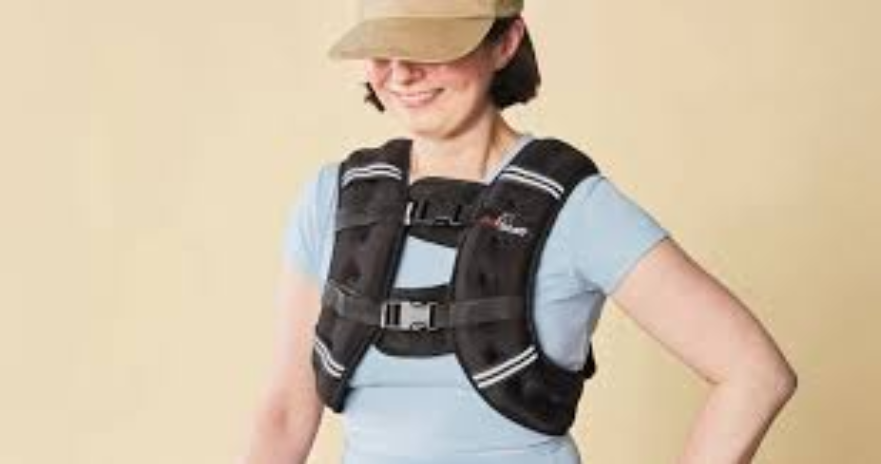
For the last year or so, walking with a weighted vest has been promoted on the internet as a bone density and cardio hack for women. Many influencers (usually with a link to purchase the vest they use) claim that walking with a weighted vest is improving their bone density and toning their muscles.
First off, if the option is not doing any physical activity or walking with a weighted vest, I will choose walking with a weighted vest every single time. It is no secret that the general population is not meeting activity guidelines. The best exercise is the one that someone is going to have access to, enjoy and commit to long term. That being said, I think we also need to look at the claims being made around weighted vests and what the research actually says. If you have specific goals such as improving bone density or muscle mass/fat loss (aka looking toned), then maybe walking with a weighted vest is not the best use of your time.
How Bone Density Actually Improves
Bone density peaks in our 20s and then naturally declines after age 30. Dietary vitamin D as a child helps to build baseline bone density going into the time of decline. Postmenopausally, we will often see an even larger drop off in bone density due to the decline of estrogen and its protective nature against osteoporosis.
Load and force are how we improve bone density. This is done by causing compressive forces on the bone which stimulates the creation of new bone. Research has continuously shown that strength training and jumping are the best ways to apply these compressive forces. Lower impact exercises such as walking, swimming, Pilates, yoga and cycling do not provide the compressive force needed to stimulate bone growth.
What the Research Says About Weighted Vests
When looking at studies that discuss the impact of wearing a weighted vest on bone density and fitness markers, the following trends are shown:
- In groups that wore a weighted vest and bone density improvements were noted, those individuals were participating in jumping or strength training while wearing the weighted vest, not just walking.
- Those that participated in exercise, versus the control of just regular activity, had improved measures of fitness at the end of the study (VO2max, blood pressure, functional fitness testing like sit to stands and push ups), regardless of whether they were in the weighted vest group or not.
What does this mean for you? If you want to wear a weighted vest, do it. However, consider adding jumping or strength training to your walk to get the benefits of improved fitness and bone density.
My caveat as a pelvic floor physical therapist:
We know that symptoms of pelvic organ prolapse (often described as bladder drop) and stress urinary incontinence (bladder leakage with cough, laugh, sneeze or activity/exercise) increase with body weight. Weight loss is often an important aspect of improving these symptoms. Adding the load of a weighted vest without addressing other components of pelvic floor and full body strength and function can negatively impact your pelvic floor symptoms.
About the Author

Jaclyn McCullough, PT, DPT
Pelvic Floor Physical Therapist — Montgomery, NY
Dr. Jaclyn McCullough, PT is a pelvic health physical therapist at Resolve Physical Therapy in Montgomery, NY. She earned her Doctor of Physical Therapy from Arcadia University and has specialized training in pelvic floor rehabilitation through Herman & Wallace. She is also a Certified Pregnancy and Postpartum Corrective Exercise Specialist.
Jaclyn works with women experiencing pelvic pain, pregnancy and postpartum issues, bowel and bladder concerns, and return-to-exercise challenges. Her goal is to help patients understand their bodies, move confidently, and get back to the activities they enjoy.
